

Building a Real-Time Order Tracking API
Step-by-step approach to designing APIs that handle live shipment updates without crashing under peak traffic.
Creating a chatbot that doesn't sound robotic is harder than it seems. Here's how to make your bot actually helpful for customers asking about delays.

Your customer just received a notification their package is delayed. They open your chatbot and type: "Where's my delivery?" The response comes back: "Please provide your order number to access shipment status information." They're already frustrated. Now they're more frustrated.
The problem isn't that your bot gave an answer. It's that the answer felt automated, impersonal, and didn't acknowledge the actual situation. We're living in 2026. People expect conversations, not command prompts. When you're dealing with delivery issues — especially delays and problems — customers want to feel understood, not processed.
Building conversational interfaces for delivery updates requires understanding three things: what people actually want to know, how to make information feel human, and when to step back and let a real person take over. Get these right, and your bot becomes genuinely useful. Get them wrong, and you're just automating frustration.
When someone asks about their delivery, they're not asking for a full technical breakdown of your logistics system. They want three things: Where is it? When will it arrive? What's the problem (if there is one)?
Here's where most bots fail. They're designed to handle every possible scenario — package lost, signature required, customs delay, weather impact. But customers don't ask questions in scenarios. They ask in the moment. They're stuck at home waiting. They've already called twice. They're done with patience.
The core insight: Your bot needs to surface the ONE thing the customer cares about right now, not catalog every detail in your database.
This means your interface should prioritize context. If a package is late, lead with that. If it's out for delivery today, say so immediately. If you don't have an update yet, be honest about it instead of making up an ETA. Customers respect transparency far more than false certainty.
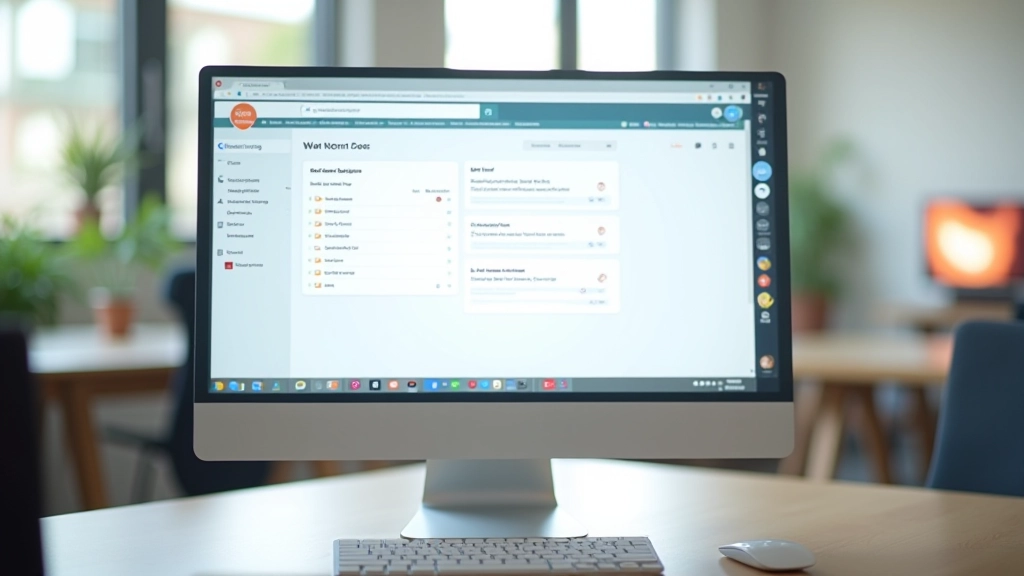

Natural language is harder than it looks. Consider these two responses to "Is my package here yet?"
Bot A: "Shipment tracking indicates package delivery anticipated within 24-hour window pending local carrier processing."
Bot B: "Your package should arrive today. Our courier has it and you'll get a call when they're about 30 minutes away."
Bot B isn't just friendlier. It's actually more useful. It gives the customer something concrete — a timeframe, a next step they should expect, and an action they should be ready for. It's written the way a real person would explain the situation.
The technique: Write your bot responses as if you're texting a friend. Use contractions. Use simple words. Break up dense information into pieces. If something is uncertain, say so. "We're not sure why it's delayed, but we're investigating" beats "Delay cause: undetermined" every single time.
The most sophisticated bots aren't the ones with the most features. They're the ones that understand context and respond accordingly.
If a package arrived 3 days ago, and someone asks where it is, your bot should recognize that. "Hey, this was delivered on July 3rd. Did it not arrive? Let me help you track down what happened." That's conversational. That's useful. That shows you understand the actual problem.
Context includes time of day, too. A customer asking about delivery at 9 PM gets a different response than one asking at 6 AM. You can acknowledge urgency. "It's late, I know. Here's what I'm seeing on our end." That's empathy. That's conversation.
Check delivery history — Know if this package is already at their door or if it's still in transit.
Identify delay patterns — Is this a systematic issue (customs, carrier backlog) or an isolated problem?
Offer specific next steps — Don't say "Contact support." Say "You can call us at 514-XXX-XXXX or I can escalate this right now."
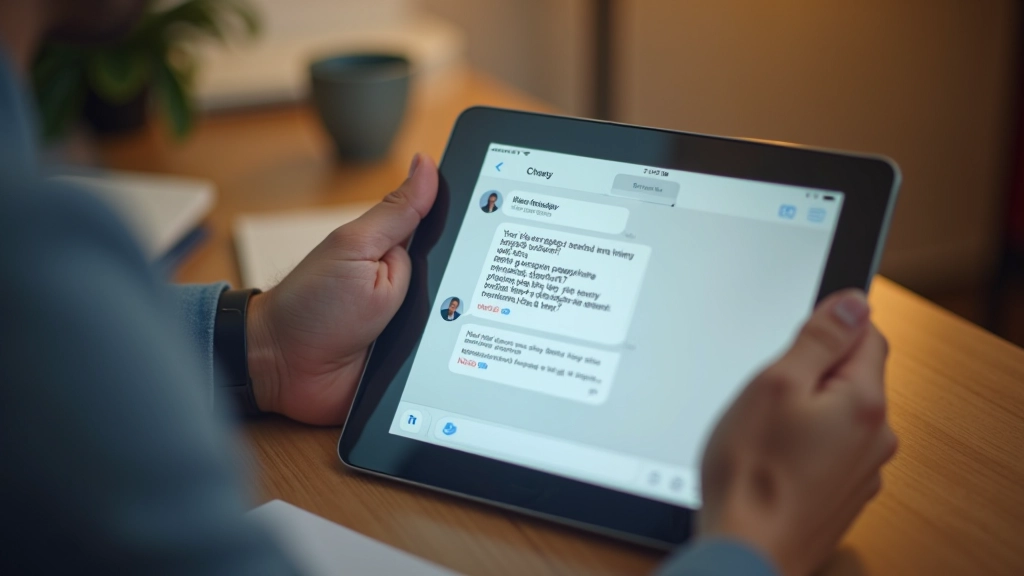

Here's the dirty secret about chatbots: they're not meant to solve everything. The best bot interfaces know exactly when they've hit their limit and when a human should take over.
You don't need to detect frustration levels or analyze sentiment. Just be practical. If someone's asking about a refund, lost package, or damaged goods — those aren't bot questions. Those are human questions. Your bot should recognize the pattern and say something like: "This sounds like something we should handle directly. Let me connect you with our team. You'll be talking to a real person in about 2 minutes."
This isn't a failure. It's good design. Customers trust a bot that knows its boundaries more than they trust one that pretends to handle everything. And your support team gets a much better ticket — they've got context from the conversation, not a blank slate.
The transition matters, too. "Connecting you now" is better than "Please hold." "Thanks for your patience" is better than nothing. Small details make the handoff feel like progress, not abandonment.
The most effective delivery bots aren't the most complex ones. They're the ones that sound like someone who understands the customer's situation and responds accordingly. They prioritize clarity over comprehensiveness. They use natural language. They know when to step back.
If you're building a bot for delivery updates, start with these principles: Make the most important information immediately visible. Write like you're talking to someone, not to a machine. Acknowledge context and urgency. Hand off to humans when it matters. These aren't fancy techniques. They're just good communication. And that's exactly what customers need when something goes wrong with their delivery.
Your bot won't replace good customer service. But it can make the wait easier and the experience less frustrating. That's worth building toward.

Author
Editorial Team
Written by the TrackFlow Logistics editorial team, focused on practical guidance for order tracking and delivery management.
This guide is for educational and informational purposes. The techniques and approaches described are based on general best practices in conversational interface design. Specific implementation details may vary depending on your platform, carrier integrations, and customer base. We recommend testing any interface changes with real users before full deployment. Results and customer satisfaction levels will differ based on your existing systems and team capacity.
Step-by-step approach to designing APIs that handle live shipment updates without crashing under peak traffic.

You'll learn how to handle Canada Post, UPS, FedEx, and local couriers all in one conversation interface.

The difference between helpful delivery alerts and spam comes down to timing, content, and knowing when to stay silent.